
Chef Wiet Wauters - Canard à l'orange
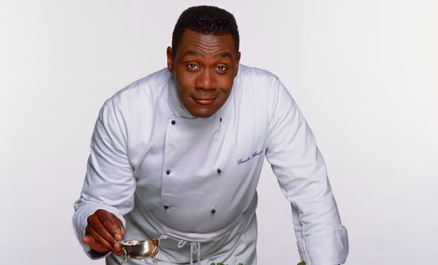

Hello and Seasons Greetings to all of you standing on Platform 13, in your woolly hats and Christmas knitwear. It's cold out there...
Many of you will be looking forward to the usual Turkey for your festive holiday dinner this Christmas, which is fine - if you enjoy that dry old buzzard of a bird.
Hopefully, this is my chance to show you that "other options are available.." I think it is worth asking ourselves why we only eat Turkey once a year.. if it was that good, we would cook it at least once a week, no? Anyway, this recipe actually belongs to my husband Kris, but I am happy to take credit for it, as he is busy in the kitchen, although that generally means I will have more cleaning to do when he is finished.
We are very lucky to live in the region of South West France that is famous for its ducks. They are (and always have been) a very important part of life here, providing year-round sustenance since the introduction of maize crops in the 15th/16th century, which made duck farming commercially sustainable and as much a part of the "farmyard furniture" as all the other cows and pigs and chickens. Ducks are prized here, from the Périgord to the Pyrenees, and give us foie gras, magrets and rich confits, exported worldwide. Ducks don't necessarily quack "Christmas", but for a change up from the bland sawdust of Turkey, I am blessing you this season with a very fine Duck à l'orange - rich, zesty and deep flavours which is easy to prepare and not leave you with 15 kilos of left-overs, like the poor Turkey does.
Ingredients to serve 6 people:
5 good-sized oranges - try and get Seville (Spanish) oranges for a bitterness that matters.
300g of caster sugar
A cup (16 tablespoons) of white wine vinegar
375ml of Grand Marnier
3 tablespoons of corn starch / 3 of water
3 decent sized duck breasts, skin on.
3 tablespoons of cane sugar, a teaspoon of ground cinamon and a few pinches of sea salt.
For the Sauce:
Using a "zester", remove the zest from 2 of your oranges. (If you don't have a zester, use a sharp knife and cut the peel into very fine strips - or go and buy a damn zester...) Place the zest into a small saucepan, cover with a little water and bring to the boil. Do this twice, draining and then changing the water each time. Yes, twice.
Cut those lovely Spanish oranges "à vif" which is just fancy french for cutting the segments of the orange, without that stringy membrane that seperates them. You do not have to do 7 years at medical school for this, just have a sharp knife and be patient. In the kitchen of me and Kris, patience and love are the Mother and Father of all the food we prepare.

Put the sugar in another small pan and add the white wine vinegar. You can start with a good heat, and as soon as the first bubbles appear, turn down to low. Please don't stir the mixture with a spoon, as we are looking for a natural caramelisation here. Swish the saucepan around a bit, if you must, but keep the spoon in your trousers. Pretty soon, you will have a lovely blond caramel sauce, into which you can now add the orange zest and the Grand Marnier, which needs to cook for 2 to 3 minutes on a low flame.
Meanwhile, whisk the corn starch and water together. It is used to thicken the sauce, to give it some muscles and body. Nobody likes a watery sauce. I don't mind a saucy waiter, but not a watery sauce.. Anyway.. when the sauce has thickened, let it cool off and pop it into your expensive Smeg fridge.
For the Duck:

Use your sharp knife to "score" a diamond pattern in the skin of the duck. It should look like this, (although mine will always look better than yours) and be sure to use your knife with care. You are not sawing logs with a chainsaw.
Fry (gently) the duck breasts on a lowish heat. You will not need to add any oil, as the duck fat will render and melt like ice cream in India. You can pour away some of the fat, and use it for raost potatoes, or cover yourself in it and go for a swim in a cold lake. You choose.. Turn the duck and cook skin-side up for another 4 minutes. Our aim here is for duck meat that looks like the English on holiday - fat and pink. Don't cook it too much, pink duck will not kill you like pink chicken will.
Finally, mix your cane sugar with the cinamon and sea salt, and when the duck breast is cool enough, rub this mixture into the skin, before transferring the duck breasts to a baking tray, cover with foil and put in the same, expensive fridge.
Final prep:
Take the duck and the sauce out about an hour before you are going to cook it, so they both come to room temperature. Preheat your expensive oven to 180c.
Cook the duck for 20 minutes. If you have guests that want the duck really well done, call them a taxi.
With your other hand, warm the sauce gently, remove the duck from the oven and let it rest under foil for 10 minutes, slice thickly or thinly but meaningfully and pour over the sauce. Enjoy, wash up and put on The Sound of Music. That is Christmas...
Joyeux Noël...


Comments