


Emotional re-wilding - A return to self.


I think we are all sufficiently familiar with the concept of 'conservational re-wilding', for the subject not to require a lengthy intro. In an eco-nutshell, it's designed to help prevent species extinction and restore balance to our ecosystems that have suffered as a result of human activity.
We have priotised control over nature for centuries, with a rather obvious disrespect. So how is that all going?
Humans love dominance. It's in the soup of our DNA. The rank of an indiviudual in community. It's rise or demise over time, determines social standing, reproductive outcomes, and our place in the bread queue. We still have it, and we can't quite get rid of it. Some just manage dominance, better than others. Mostly.
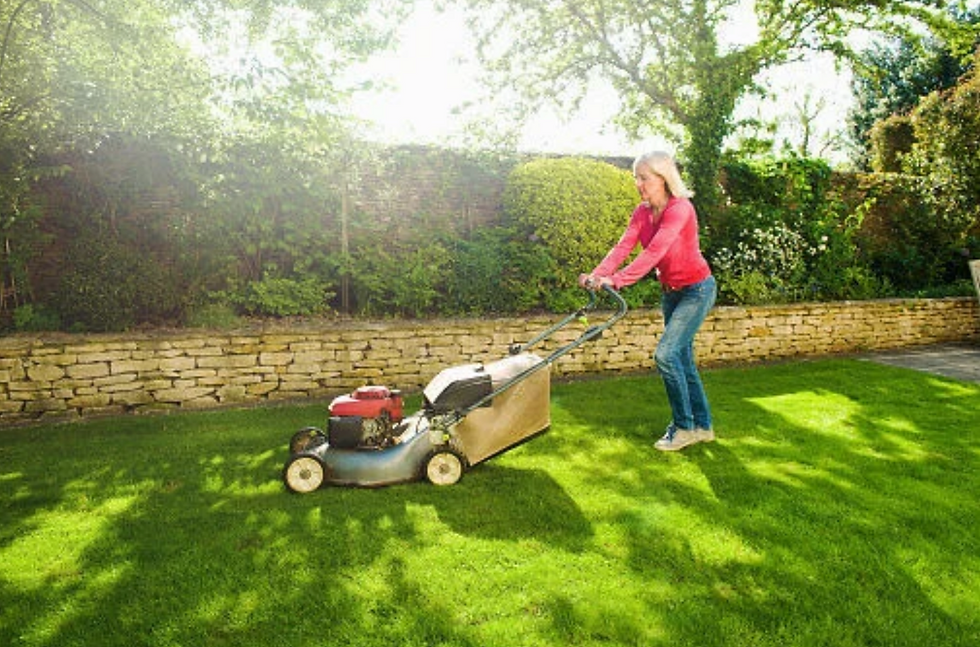
But what we haven't overcome quite as well, is our desire to master Mother Nature. We have chopped and dammed and mowed and ploughed our way into making the land do pretty much "whatever". We love to regulate, administer and govern every square inch of our productive, external landscapes. The over-domestication of the outdoors. Through human intervention we have managed to bundle together and interfere with nature to such an extent, that natural balance has just shrugged and gone home.
Natural rewilding changes all that. The idea is simple enough - equilibrium can gradually return to any chosen environment, not because something shiny and new is added, but because our interference is reduced to an absolute minimum. Nature does not need instruction; it needs space. And it is difficult not to wonder, as we confidently stroll the halls of self-improvement, whether the same might be true of us. That in our effort to become more productive and more emotionally appropriate peeps, we have slowly learned to manage and dominate ourselves so deliberately, that natural instinct can no longer get a word in edgeways.
Somewhere along the way, many of us have became "emotionally domesticated" - a concept which might require some shapely definition. Here goes nothing... For me, it involves controlling so much of our inner experiences, that it may have altered who we actually are, by stifling, voir suffocating, the emotional processes that might otherwise connect us to a bit of greater wisdom. I mean it's not easy to domesticate a bull elephant or a king cobra. They are emotionally aware enough to respond pretty effectively to "threat" of our attempts to put a collar on them and walk around a nicely-mowed public park.
Yet no particular ceremony marked the moment we traded instinct for composure. It happened gradually. It was rewarded, through small, societal approvals for being agreeable, co-operative, manageable and emotionally tidy. We learned to say “I’m fine” before checking whether we were. We apologised when bumped into. We don't bite and we rarely howl. If we get angry, we can always find a kitchen drawer to reorganise.
And somewhere underneath all that good behaviour sits a quiet suspicion that we were not meant to feel quite this "contained". Although it is certain that modern life rewards emotional predictability, we have started to really identify with a calm, almost Victorian distance from how we actually feel. We appear open, but not messy. We try to regulate quickly, smooth our reactions efficiently and present brushed-hair versions of oursleves that make social interactions easier for everyone involved.
Emotional domestication works...It keeps civil systems orderly and relationships manageable. Which is a good thing. Toys should not be just thrown willy-nilly from the pram. We like predictable codes and decorum. I am certainly not out to question here, the magnificence of social order or decent manners.
My question is around what we have given up in the name of house training our emotional honesty. The containment itself...Because we have traded something.. subtle though that give-away was; our instincts have softened and our acceptance benchmark has been lowered a bit too low. Curiosity has quietened down and spontaneity now sits paradoxically - in genuine consideration...
If rewilding in nature is not defined by meadowy chaos, but careful, hands-off restoration, then emotional re-wilding cannot be about abandoning adult responsibility or dismantling social order. Civilisation survives quite well without us all shouting in supermarkets and frightening the children. Revitalising our inner landscapes needs to feel and show more as a quiet interruption. A moment when the carefully planted version of oursleves pauses for a second and asks, inconveniently "Who exactly am I and what life am I living?"
Emotional domestication tells us how to function. Emotional re-wilding asks whether we are properly oriented - if the direction in which we are moving belongs to us, or simply to the momentum of general expectations. It is not even remotely, a rebellious stance, it's just a wake-up call with benefits. We start to ask more questions...What do I really want? What feels alive? What no longer serves me? What have I outgrown without even noticing?
This is not grandiose philosophy, it is simple, personal re-positioning. Emotional rewilding is not about becoming someone new, it is about allowing in some unmanicured clarity into our lives. To see what grows when we don't operate from expectation, tradition or outsourced self-worth.
And this is where things become quietly complicated.
Because once those questions arrive, they have an awkward tendency to linger. We are unlikely to find their answers neatly tucked between school runs, Starbucks, or the steady hum of daily responsibility. Ordinary life is remarkably efficient at keeping us shuffling forward, even when we are no longer certain where “forward” actually leads.
What we are really seeking is that impossible-sounding space - comfort beyond the comfort zone. We want the wild garden, full of flowers and fronds and bees and butterflies, yet we remain slightly wary of what true wildness might reveal. What will people think of this anarchic patch of self-seeded earth? What grows taller when conformity loosens its benevolent grip? Will honesty surface? Will we finally pull the weeds of what no longer belongs? Will the neighbour's net curtains suddenly start to twitch?
This is where Soulstice steps quietly in. Not as a fix-all or a grand re-invention, but as a deliberate pause. A space where emotional life is not managed for outcome or approval, but simply allowed. Where upsets, joys, uncertainty, and discovery can exist without consequence or performance. Where you might sit alone long enough to hear yourself clearly, or alongside other women doing the same - and realise that the Socratic catechism “Who am I?” does not need an immediate answer, in order to be a worthwhile question.
Because perhaps emotional re-wilding is not about changing who we are at all.
Perhaps it is about creating conditions gentle enough for something honest and wildly pretty -
...to grow again.
And like any landscape that escapes just briefly from the grasp of our gardening gloves, balance has a curious way of finding its own way home.
For more about the Soulstice Immersion in September 2026, or to meet our fabulous coaches Terri and Sanela, click here..


Comments